Delivery · Operate

Proposed operating model · service terms and staffing remain under development

A clear plan for
everyday service.

Willfred’s proposed operating model brings guest services, accommodation, dining, housekeeping and shared facilities together under coordinated management. The aim is reliable daily delivery, clear responsibilities and a service offer supported by realistic staffing and budgets.

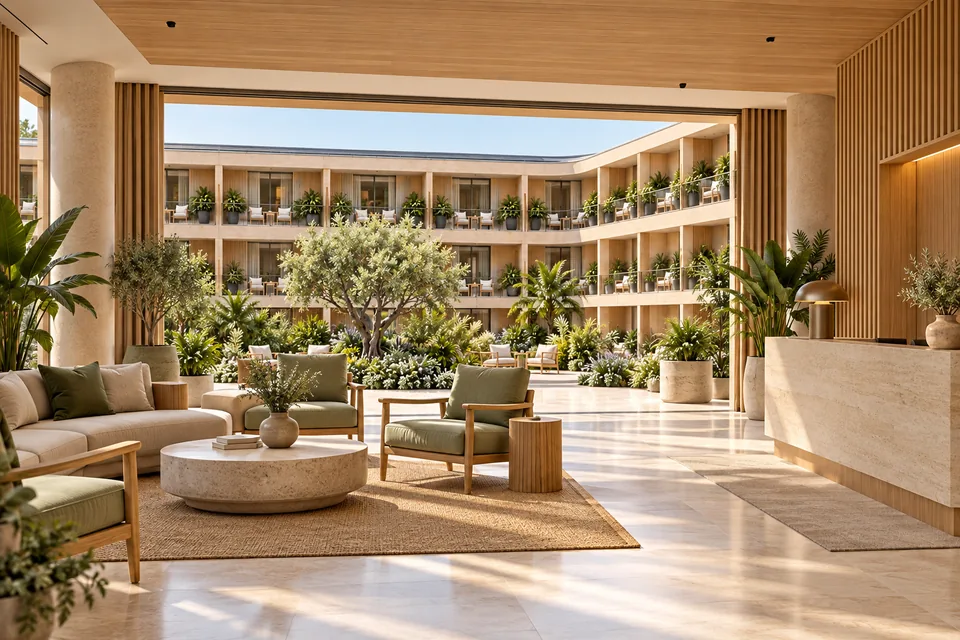
View of a proposed guest reception lounge opening toward the planted courtyard of a connected residential building.

The everyday foundation

Many moving parts.
One considered service.

Daily tasks should fit together around the guest experience—clear to understand, practical to deliver and planned with quiet time in mind.

01

Guest services

Enquiries, arrivals, orientation and ongoing communication should help each guest understand what is included, what is optional and how to raise a concern. Information needs to be available in practical ways that do not depend on a smartphone.

02

Daily living

Meals, housekeeping, laundry and shared facilities need coordinated schedules, suitable equipment and dependable supplies. Quiet periods and private rooms belong in the plan alongside cleaning, deliveries and necessary service movement.

Hospitality supplies being prepared, representing practical readiness for welcoming and orienting guests.
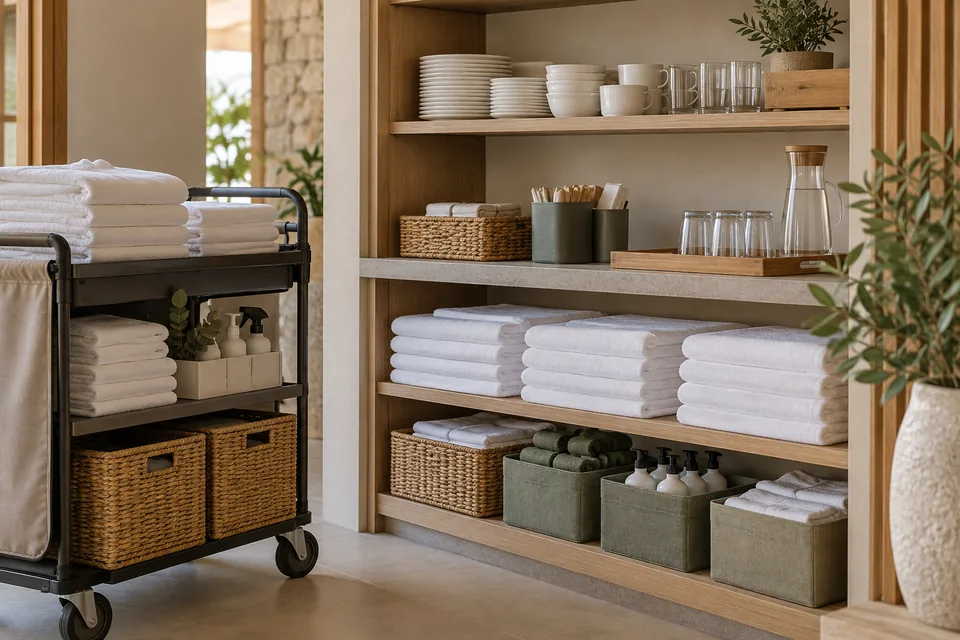
View of a linen-preparation room with folded towels and a laundry cart, showing a possible housekeeping support space.

People & training

A service promise
starts with a workable team.

Defined roles, realistic shifts, supervision and training would form the basis for consistent delivery. The eventual plan must account for leave, rest and relief coverage—not rely on one person being available at all times.

Recruitment and development should reflect the actual service scope, language needs and responsibilities. Any professional service would require appropriately qualified people and clear boundaries.

No operator, staff establishment, headcount, named team or training programme has been appointed.
A hospitality team in a training session, illustrating the need for role preparation and supervision.

Different stays, shared foundation

Consistent service.
Room for preference.

Living, Retreat, Digital Rest and Sleep & Rest would use a coordinated service foundation, with arrangements shaped around different stay patterns rather than separate, assumed operating teams.

Guest rooms are intended to remain TV-free, with reading areas; shared entertainment would be in designated spaces. Personal devices remain permitted during standard stays. Digital Rest is voluntary.

Choice, privacy & support

Respect the person.
Know the limits.

Choice & privacy

Guests should be able to choose activities, quiet time and communication preferences. Personal information and any agreed family updates should be handled respectfully, with appropriate permission and access controls.

Privacy should be respected while staff retain appropriate ways to respond to concerns and meet lawful responsibilities.

Support & emergencies

The operating plan must define what assistance can be offered, what falls outside its scope and how appropriate external services would be contacted. Incident reporting and escalation arrangements need to be ready before opening.

No on-site clinic, continuous nursing, hospital partnership or guaranteed emergency response is represented as established.

Quality, costs & management

Notice what is working.
Act when it is not.

Guest feedback, complaints, routine checks and corrective action would help management understand whether services are being delivered as intended. Recurring concerns should inform improvements to the operating plan.

Purchasing, stock, staffing, utilities and upkeep all need to be considered alongside service quality. Budgets should reflect actual service requirements and the resources needed to maintain them over time.

Proposed management review

Guest experienceFeedback · complaints · incidents
Service deliveryRoom and resident counts · staffing · readiness
Business operationsOccupancy · income · operating costs
Property careMaintenance issues · corrective action

A framework to develop—not live reporting or a record of results.

Ready before opening

Every phase needs
service that works.

Each opening phase would need functioning accommodation, dining and shared services, staff, infrastructure, procedures and applicable permissions before guests are welcomed. Later development must be considered alongside occupied areas.

The operating model remains in concept and pre-development. Service packages, staffing, costs, management responsibilities and procedures still need to be defined and tested.

Operate is about daily service. Build plans delivery; Maintain covers ongoing asset care; Expand considers future growth when evidence supports it.