Dining & kitchen
Meal provision and kitchen capacity must match the accommodation and its real use.
Delivery · Expand
Proposed growth approach · no phase, timetable or future location is confirmed
Willfred’s proposed approach is to develop in manageable phases, learn from actual operation and expand when the evidence supports it. Growth should strengthen a viable resort rather than outpace the people, infrastructure and services needed to run it well.
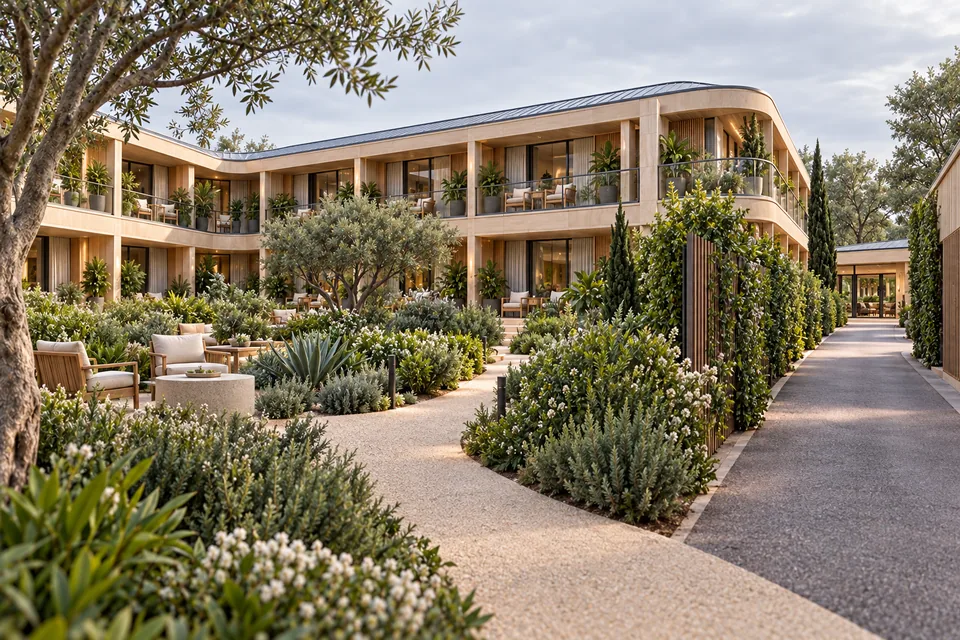
Begin with a coherent whole
A first phase should provide a complete experience: suitable accommodation, shared spaces, infrastructure and a service team able to support daily life. The right scope depends on the site and the resources required to operate it; a smaller opening is not automatically feasible.
Later phases would build on that foundation only when the project’s practical and financial position supports a further commitment.
Separate early enquiries from actual stays, repeat visits and guest feedback.
Consider service quality, staffing, income, costs and maintenance together.
Check infrastructure, permissions, site capacity and the effect on current guests.
Confirm a workable scope and available capital before making a new commitment.
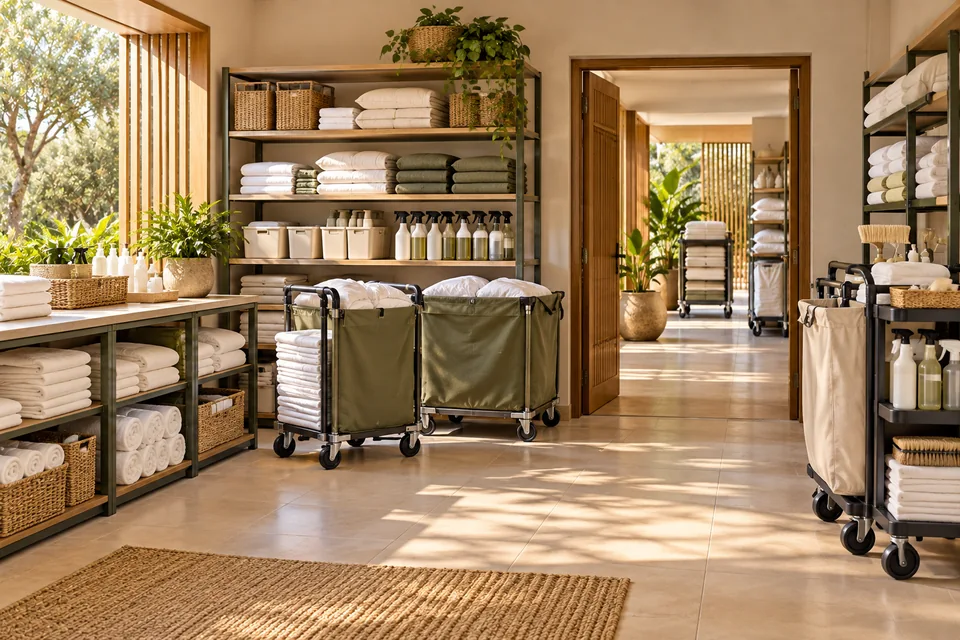
Learn from real operation
Enquiries and market research can help shape the proposal, but they are not occupied stays. Actual demand would need to be understood through guest behaviour over time: occupancy, length of stay, repeat interest and feedback.
Performance review should look beyond income. Staffing, operating costs, maintenance and the ability to deliver the promised experience all matter when considering whether the business can support further development.
No operating history, occupancy, revenue, profit, satisfaction score or performance target is established. Measures and review responsibilities still need to be agreed.
A proposed planning scenario
The current scenario considers twenty residential buildings. Each is envisioned as a two-storey closed courtyard ring with four connected wings around a planted centre, rounded outer corners and balconies. One standard interior, architectural language and roof system is proposed, with coordinated exterior colours for building identity.
Standard room layouts, common equipment and a consistent roof approach could make later phases more manageable. Lessons from earlier operation should inform comfort, service access, maintenance and procurement rather than repeat an avoidable problem.
Twenty buildings is a planning scenario, not approved capacity or an immediate construction commitment. Solar provision is a design intention, not evidence of installed panels or energy independence. No quantified savings are claimed.
Capacity must grow together
Accommodation brings demands across the wider resort. Each stage would need a service plan that can support its actual use without relying on facilities, staffing or infrastructure that has not yet been delivered.
Residents, visitors, staff and occupied rooms are different measures. Shared services need to be assessed against real operating needs rather than assumed future capacity.
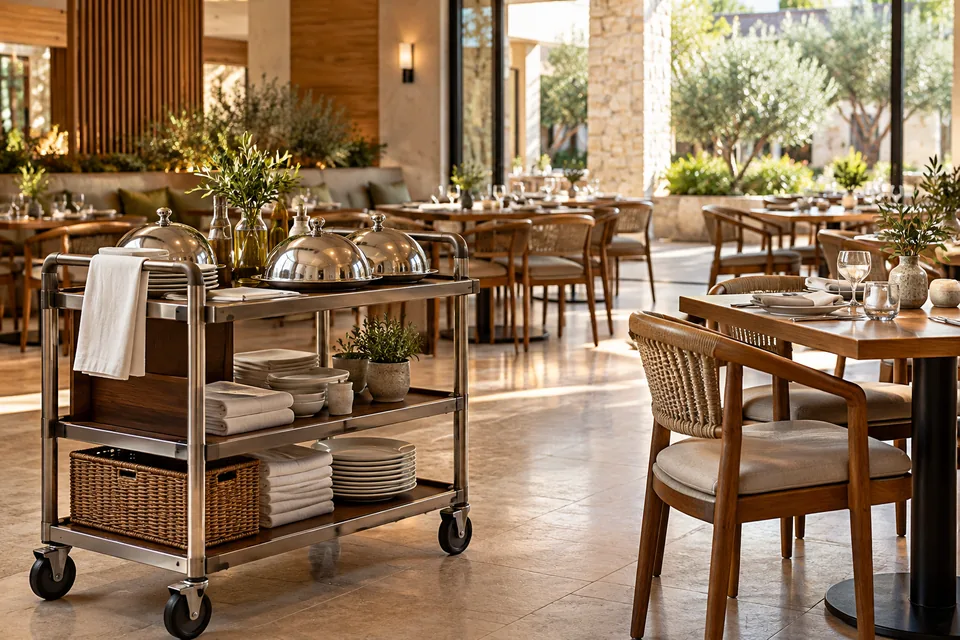
Meal provision and kitchen capacity must match the accommodation and its real use.
Water, power, recreation and common facilities need room to scale.
Housekeeping, laundry, staffing and maintenance capacity must grow with the service.
Protect the experience already underway
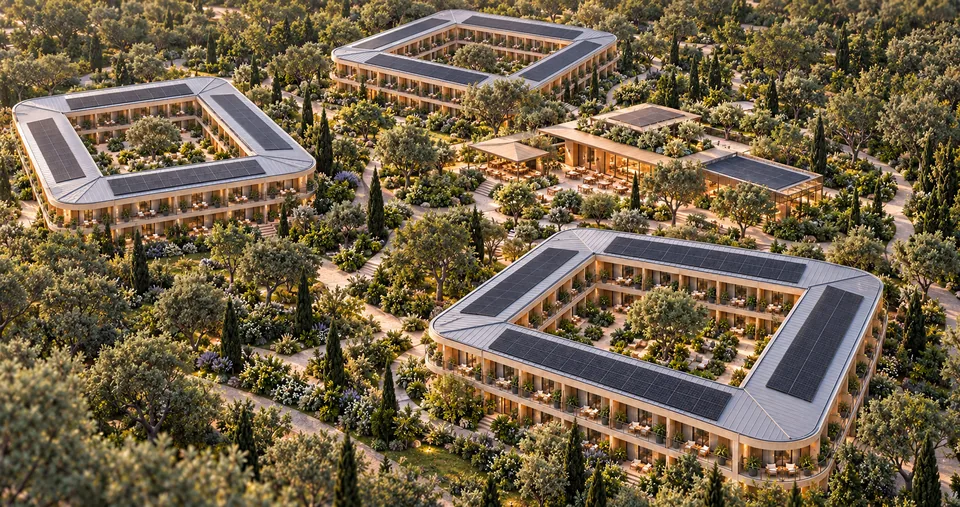
Where later building work takes place beside an operating resort, access, noise, dust, pedestrian routes and possible utility interruptions need careful planning. Communication and practical separation may help reduce disruption, but a disruption-free construction period cannot be promised.
Any future construction approach would need to be considered for the actual site and its operating conditions. Quiet stays, shared services and the work needed to expand must be planned together.
Capital, governance & future locations
Expansion needs a capital plan of its own. Costs, financing and implications for the existing business and investors should be understood before a commitment is made, alongside operating cash needs, maintenance responsibilities and the resources required to keep current services dependable.
Further locations could be assessed if the first project demonstrates a workable model and suitable opportunities emerge. Each would require its own demand assessment, legal and planning work, infrastructure review, financing and operating capability. A repeatable concept would still need to adapt to its place and community.
No future site, development pipeline, funding or financing structure is confirmed. Any ownership or investor-rights implications belong in separately reviewed financing documents.
Concept & pre-development
Willfred remains at concept and pre-development stage. The immediate task is to establish a feasible first development, with a credible operating and funding model. Expansion is a future decision supported by evidence, not a substitute for proving the initial project.
We welcome dialogue with authorities, investors, banks, landowners and development or operating partners who can help assess a responsible phased approach.