Dietary communication
Guests should have a clear way to discuss preferences, allergies and dietary needs before arrangements are agreed. The kitchen’s actual capabilities and limits must be communicated honestly.
Resort · Dining
Proposed development
Dining at Willfred is intended to bring dependable daily meals together with the pleasure of sharing a table. The proposed restaurant would offer Georgian and international food in comfortable surroundings, with space for both conversation and a quieter meal.
A shared dining experience, planned around the people staying at the resort.
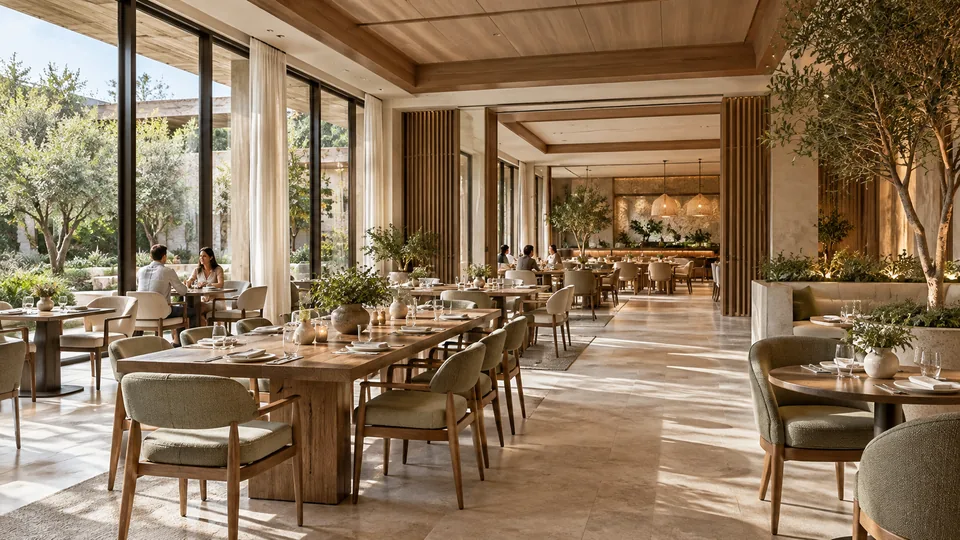
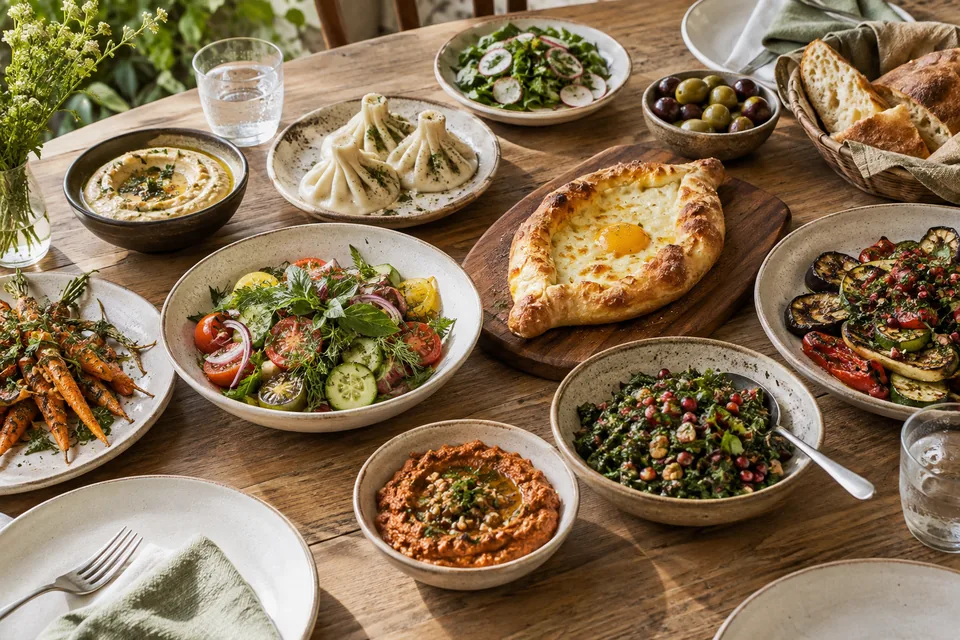
Food for everyday life
Breakfast, lunch and dinner are proposed as the foundation of the daily offer. Georgian and international dishes would bring variety, with practical choices shaped by guest preferences, ingredient availability and what the kitchen can consistently provide.
Meal inclusions, service windows and arrangements for shorter and longer stays still need to be defined. The eventual offer should make included meals easy to distinguish from optional purchases.
No menu, prices, service hours, unlimited food or room service are established.
One connected service
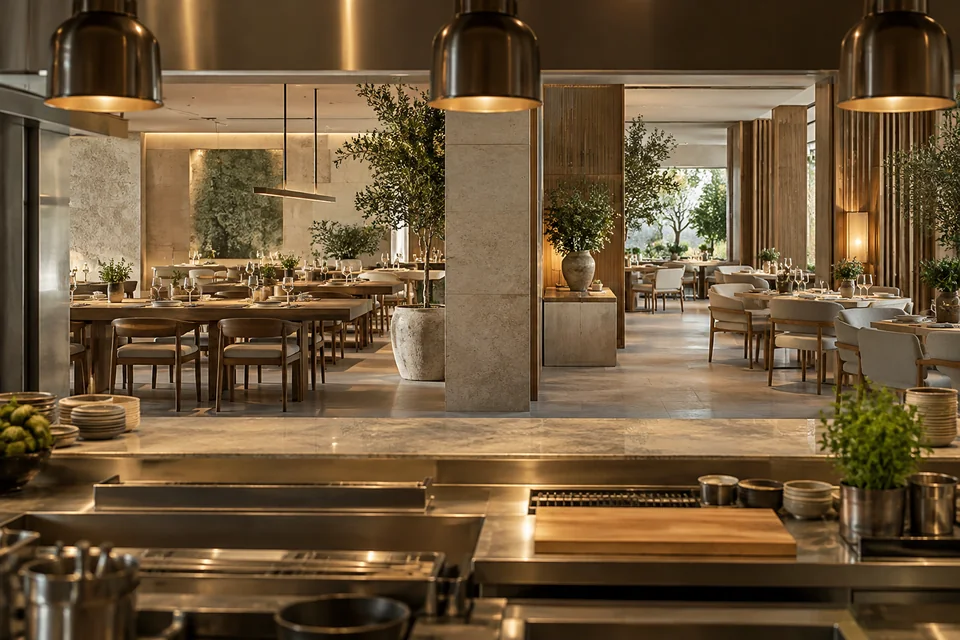
The proposed restaurant would have sections able to operate independently as demand changes. This could support shared tables and quieter dining areas while keeping the wider facility connected.
One coordinated kitchen is intended to serve the restaurant sections and adjacent café. Production, storage, service, dish return and cleaning need to be planned as one practical operation.
The layout, seating, kitchen capacity and equipment remain subject to design and operational assessment.
A more informal pause
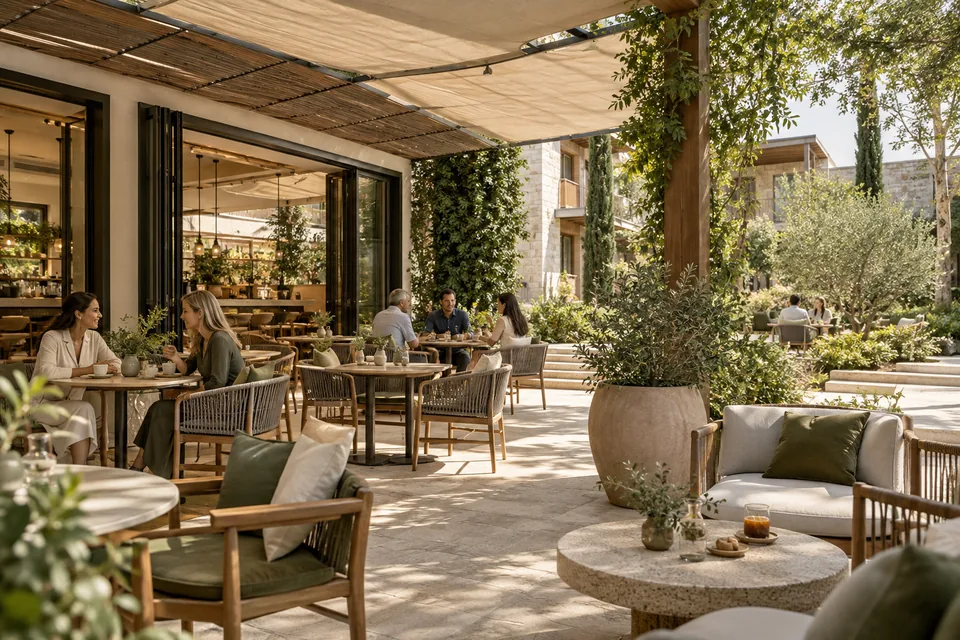
An adjacent café could offer a relaxed setting for drinks, light snacks and conversation. A terrace would add an outdoor option and connect dining with the garden.
Outdoor seating would supplement indoor dining, not replace it. The meal plan must remain workable when weather makes the terrace unsuitable.
Refreshments, paid extras, opening arrangements and terrace provision remain to be developed.
Comfortable service
Accessible circulation, comfortable seating, manageable queues and suitable table arrangements should be considered together. Service arrangements and any assistance would need a clear, realistic scope.
Guests should have a clear way to discuss preferences, allergies and dietary needs before arrangements are agreed. The kitchen’s actual capabilities and limits must be communicated honestly.
Menus and practical service information should not depend on using a personal phone. Food safety procedures and dietary communication require appropriate operational planning.
No particular diet, allergen-free preparation, medical nutrition or zero cross-contact can be promised. Suitability depends on the eventual service plan and its verified capability.
Plan for the full meal demand
Meal windows and staggered sittings could help the restaurant serve guests comfortably, subject to testing against preferences, mobility, visitors and the time needed for service.
The kitchen must be planned for the full number of meals required over each service period—even when not everyone is seated at once. Rooms, residents, guests, staff meals, visitors and seats are different measures.
No seating quantity, kitchen output or population is established by the proposed twenty-building scenario. Demand, staffing, equipment and service flow must be assessed together.
An offer still taking shape
Dining remains a proposed part of Willfred’s concept and pre-development work. Menus, guest demand, seating, kitchen design, staffing, meal inclusions and service terms must be assessed alongside site selection, permissions and funding.
We welcome discussion with authorities, investors, banks and hospitality or development partners who can help shape a practical, consistent dining offer.