Accommodation
+ defined services
Longer-term and shorter stays would need terms appropriate to their duration, service scope and operating requirements.
Investment · Business Model
Proposed model · concept and pre-development
Willfred’s proposed business combines longer-term living with shorter stays for quiet, rest and voluntary time away from screens. Accommodation and clearly defined services would form its core offer, supported by shared facilities and coordinated daily operations.
A model to be tested through demand research, development costing and operating feasibility.
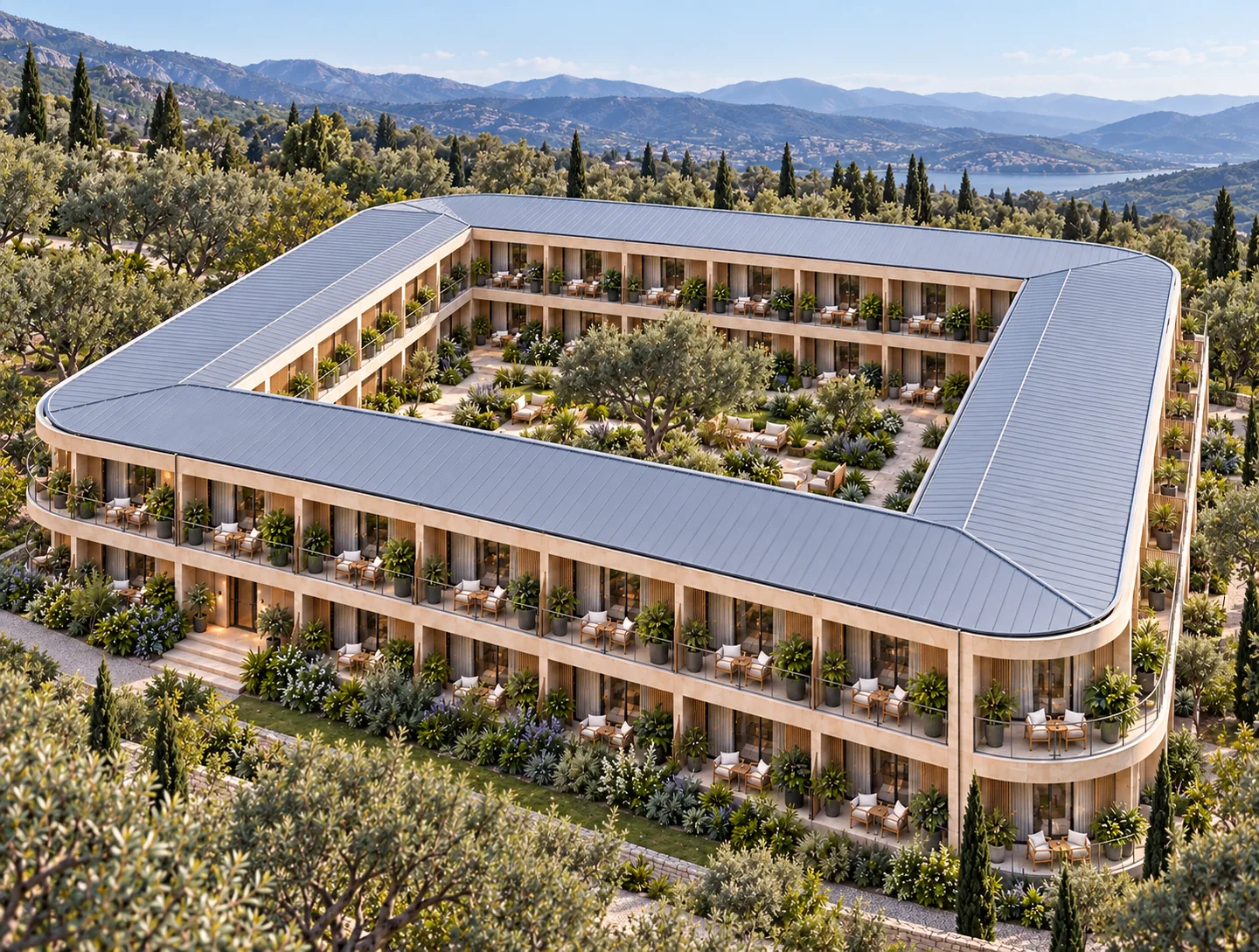
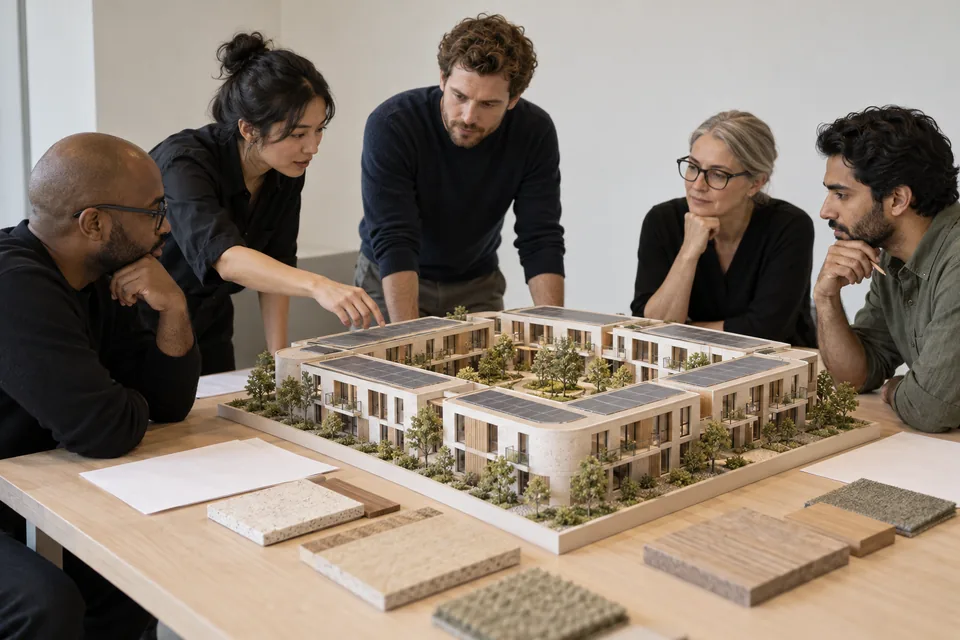
How the pieces connect
Accommodation and clearly defined service packages would form the proposed core offer.
Shared teams and facilities would deliver the services guests choose and understand.
Staffing, supplies, utilities, financing and long-term upkeep all need to be covered.
Pricing and demand must be tested against the real resources required to operate.
This is a qualitative outline, not a forecast or established operating result.
Who the offer is for
Some adults may be looking for a longer-term home with daily services. Others may want a quieter, shorter break. Living, Retreat, Digital Rest and Sleep & Rest describe overlapping preferences within the proposed experience, not separate proven markets.
Each offer would need a clear service boundary and a price that reflects what is actually delivered. Personal devices and social time remain a choice; Digital Rest is voluntary.
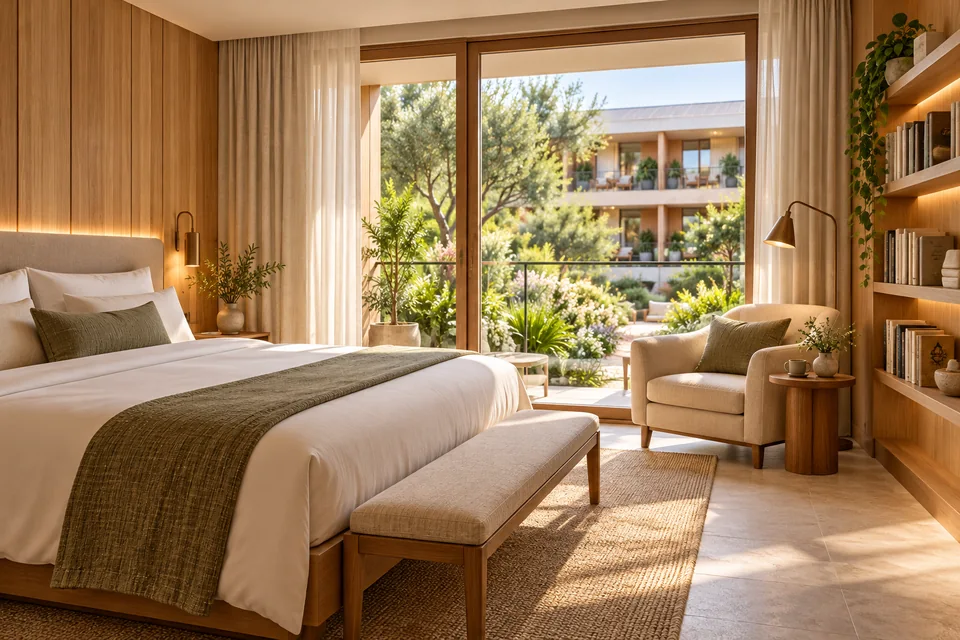
The proposed offer
Accommodation and an agreed service package would be the proposed core income. Possible inclusions—such as meals, housekeeping or laundry—must be defined so guests understand the offer and the operator can cost it consistently.
Longer-term and shorter stays would need terms appropriate to their duration, service scope and operating requirements.
Café purchases, appropriate appointments, outings or defined assistance could be considered where the service is suitable and available.
A service already included in a package must not also be counted as separate income. Digital Rest and Sleep & Rest do not automatically create additional revenue on top of a stay.
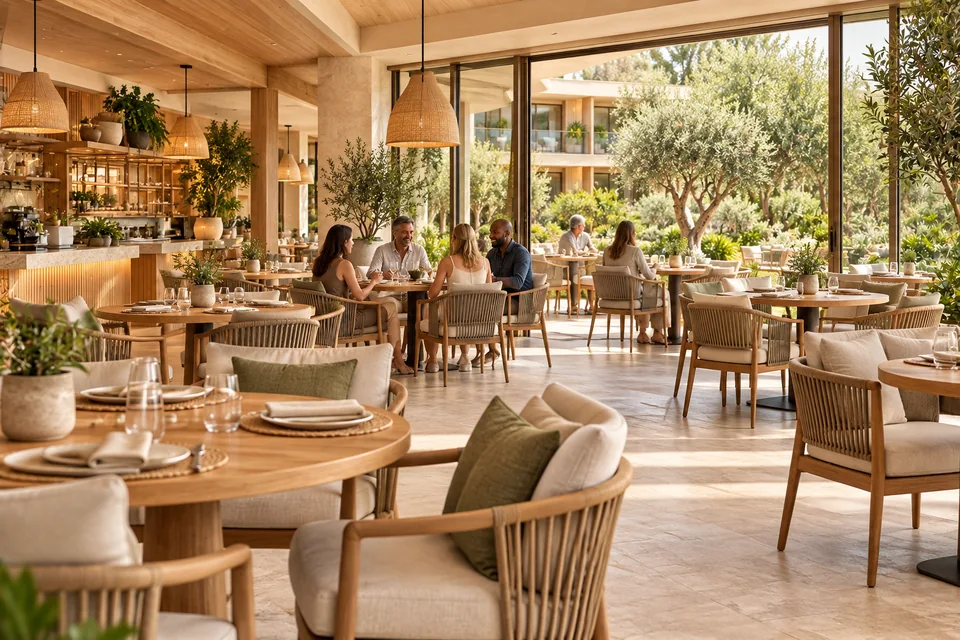
Shared daily operation
The proposed residential model brings daily services together instead of duplicating a complete operating infrastructure for every building.
Consistent buildings and room layouts could support staff familiarity and simpler upkeep. These are design intentions to assess, not proven savings.
The resources behind the stay
Some costs move with guest use; others remain necessary at lower occupancy. The operating plan must account for the actual quality and scope of service promised.
People Staffing, supervision, training and administration
Daily service Food, supplies, utilities and shared operations
Stewardship Upkeep, repairs and future replacement
Obligations Financing and other commitments under an agreed structure
Before guest income begins
Property, professional work, design, permissions, construction, infrastructure, equipment, recruitment, training and launch all need consideration. Working capital would also be needed while occupancy builds.
Investment capital and loan proceeds are sources of development funding. They are not guest revenue or operating profit.
Explore FundingTest the case
Feasibility must test whether achievable pricing and demand could support operating costs, financing obligations and long-term upkeep. Evidence and professional review are still needed.
Income from stays and services that are actually sold and delivered.
An accounting result after the costs recognised in the accounts.
Cash also reflects payment timing, capital needs, financing and other obligations.
Income alone does not establish profit or cash available to investors.
Potential investor value
Investor value could depend on the long-term performance and development of a viable business. Any distributions or other outcomes would depend on actual results, financing obligations and rights in a structure that has not yet been established.
Investors could lose capital. No profit, dividend, appreciation, buyback or exit is guaranteed.
Explore OptionsConcept & pre-development
Demand, pricing, development costs, operating assumptions and financing arrangements need evidence and review before an investment proposition can be finalised.
We welcome serious discussions with investors, banks, authorities and development or operating partners who can help assess what a sustainable model requires.